Nuclear Fusion in Space: Scientists Explore New Energy Solutions
Researchers propose placing fusion reactors in orbit to power future space missions, overcoming the limitations of terrestrial technology.
 💡Tech
Photo: RBC-Ukraine
Key points
- Orbital tokamak reactors
- Microgravity benefits
- Deep space power supply
The scientific community is actively discussing the potential of using fusion energy beyond Earth. According to a study published in ResearchGate, deploying tokamak reactors in geostationary orbit could be the key to energy independence for future space settlements.
Benefits of Orbital Deployment
Physicist Yang Bae from the Spacefaring Research institute notes that space conditions solve several technical challenges faced by Earth-based reactors. The absence of atmospheric pressure allows for lighter vacuum chambers, while microgravity significantly reduces mechanical stress on the structures.
- Efficient heat dissipation through radiation into the vacuum of space.
- Capacity to generate 1 gigawatt of power, sufficient for a million homes.
- A safer alternative to fission reactors currently planned by the US and China.
In addition to tokamaks, scientists are exploring the use of high-powered lasers to trigger fusion reactions in orbit. While these projects remain theoretical, they represent a shift from solar panels toward more robust and stable power sources for deep space exploration.
Source RBC-Ukraine — rbc.ua/ukr/news/termoyaderni-reaktori-hochut-vidpraviti-kosmos-1795… ↗
Read next
 🇺🇦Ukraine
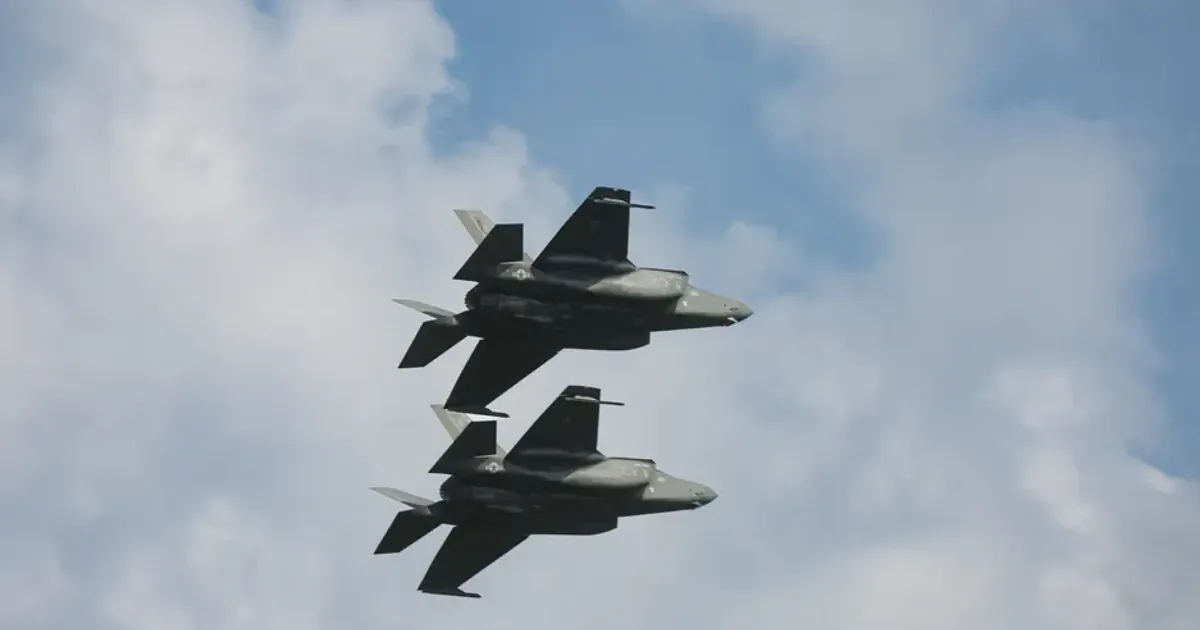
Poland Scrambles Jets During Russian Strike on Ukraine: Drone Enters NATO Airspace
During a massive Russian attack on Ukraine, a drone flew 70 km into Polish territory, prompting the Polish military to activate air defense protocols.
 🎭Culture & Sport
Footprints of Giants: Scientists Rediscover Unique Dinosaur Site in Mongolia After 70 Years
Researchers have successfully relocated a significant paleontological site in Northern Mongolia, identifying 31 fossilized dinosaur tracks dating back 120 million years.
 🛡️Security
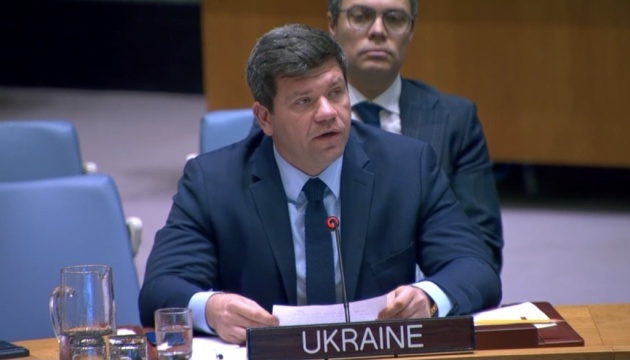
Ukraine at UN: Demands for Troop Withdrawal Are Not a Path to Peace
Ukraine’s Deputy Permanent Representative to the UN Volodymyr Pavlichenko stated that Russian demands for withdrawal from Donbas are a prelude to further aggression.
 👥Society
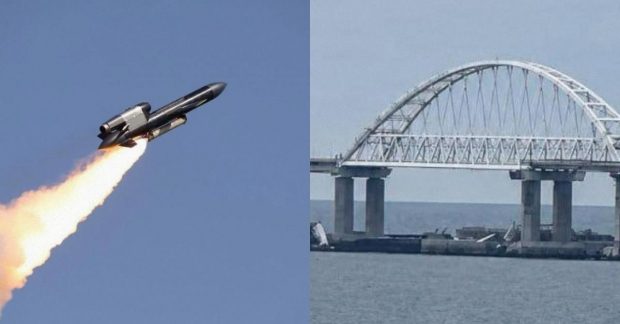
Experts reveal details of the successful operation on the Crimean Bridge
Aviation expert Kostiantyn Kryvolap discussed the use of secret Ukrainian developments and advanced communication technologies during the attack on the Kerch Bridge.
 👥Society
Heating issues in cities: actress Antonina Khizhniak reports on the situation in Ukrainka
Well-known actress Antonina Khizhniak shared information about the critical heating situation in the city of Ukrainka, where her grandmother lives.
 🛡️Security
Germany plans to allocate €11.6 billion in military support for Ukraine in 2027
The German government continues to scale up its military assistance, earmarking over €11 billion for Ukraine in the 2027 budget.