The History and Traditions of New Year: Why We Celebrate on January 1st
Learn how the date of New Year celebrations has changed over the centuries and why January became the start of the calendar cycle.
 🎭Culture & Sport
Photo: TSN
Key points
- History of establishing January 1st as the start of the year
- The role of Julius Caesar and Pope Gregory XIII in calendar reform
- Unique New Year traditions of different nations
From Ancient Civilizations to the Gregorian Calendar
The tradition of celebrating New Year on January 1st has deep roots dating back to Ancient Rome. However, humanity did not always adhere to this date. In ancient times, the beginning of the year was often linked to natural cycles, such as the spring equinox or the flooding of the Nile, which were critical for agrarian societies.
Julius Caesar's reform in 46 BC was a turning point, establishing January 1st as the official start of the year. The month's name comes from the god Janus, who symbolized transitions and new beginnings. Later, in 1582, the introduction of the Gregorian calendar by Pope Gregory XIII finally standardized this date for most of the world.
Diversity of New Year Customs
- In Spain, it is customary to eat 12 grapes as the clock strikes midnight for success in each month.
- Italians eat lentils, which symbolize coins and financial prosperity.
- The Japanese Buddhist tradition involves ringing bells 108 times to cleanse oneself of passions.
- The Scots follow the 'first-footing' custom, where the first guest to enter a home determines the success of the coming year.
Today, despite global standardization, many nations maintain their own unique traditions for welcoming the holiday, making New Year not just a calendar event, but a vibrant cultural phenomenon.
Source TSN — tsn.ua/tsikavinki/koly-sviatkuiut-novyy-rik-chomu-data-prypadaye-na-1-s… ↗
Read next
 🎓Education
Denmark to Ban Mobile Phones in Schools Following Poor Test Results
The Danish government is preparing legislation to restrict mobile device use in schools in response to declining student performance.
 🛡️Security
General Ben Hodges: NATO is unprepared for potential air war with Russia
Former US commander Ben Hodges warns about NATO's air defense shortages and vulnerability of key infrastructure.
 🇺🇦Ukraine
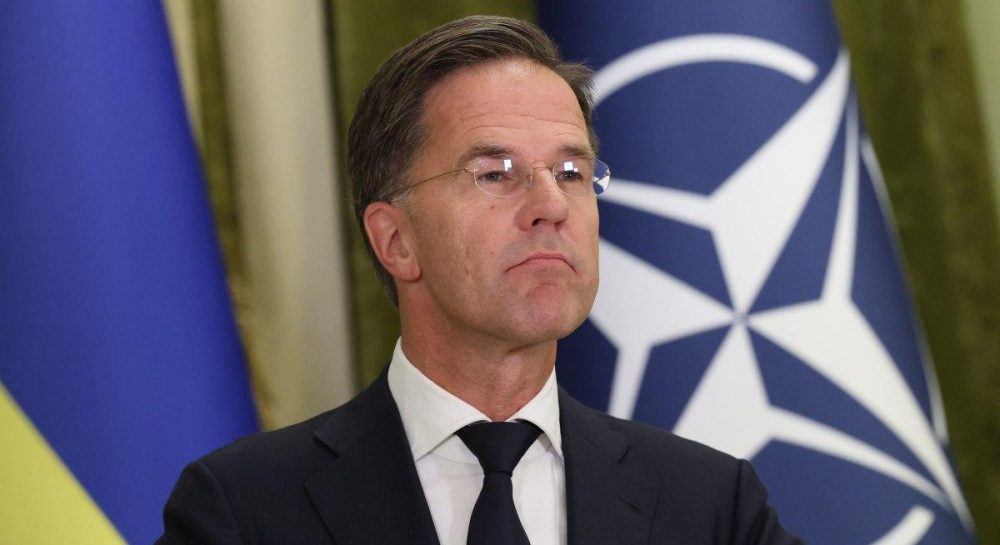
Mark Rutte: No consensus on Ukraine's NATO membership yet
NATO Secretary General Mark Rutte stated that there is currently no unanimity among Alliance members regarding Ukraine's accession.
 🛡️Security
Humanitarian crisis in occupied Hola Prystan: burials in cardboard boxes and $300 trips for pensions
Residents of the temporarily occupied Hola Prystan community in Kherson region face a severe humanitarian crisis amid a total lack of healthcare and services.
 🛡️Security
Artificial Intelligence on the Frontline: How Ukrainian Ground Robots Are Moving Toward Autonomy
The Ukrainian defense industry is actively integrating artificial intelligence into ground robotic systems to reduce operator dependency and enhance combat efficiency.
 💼Economy
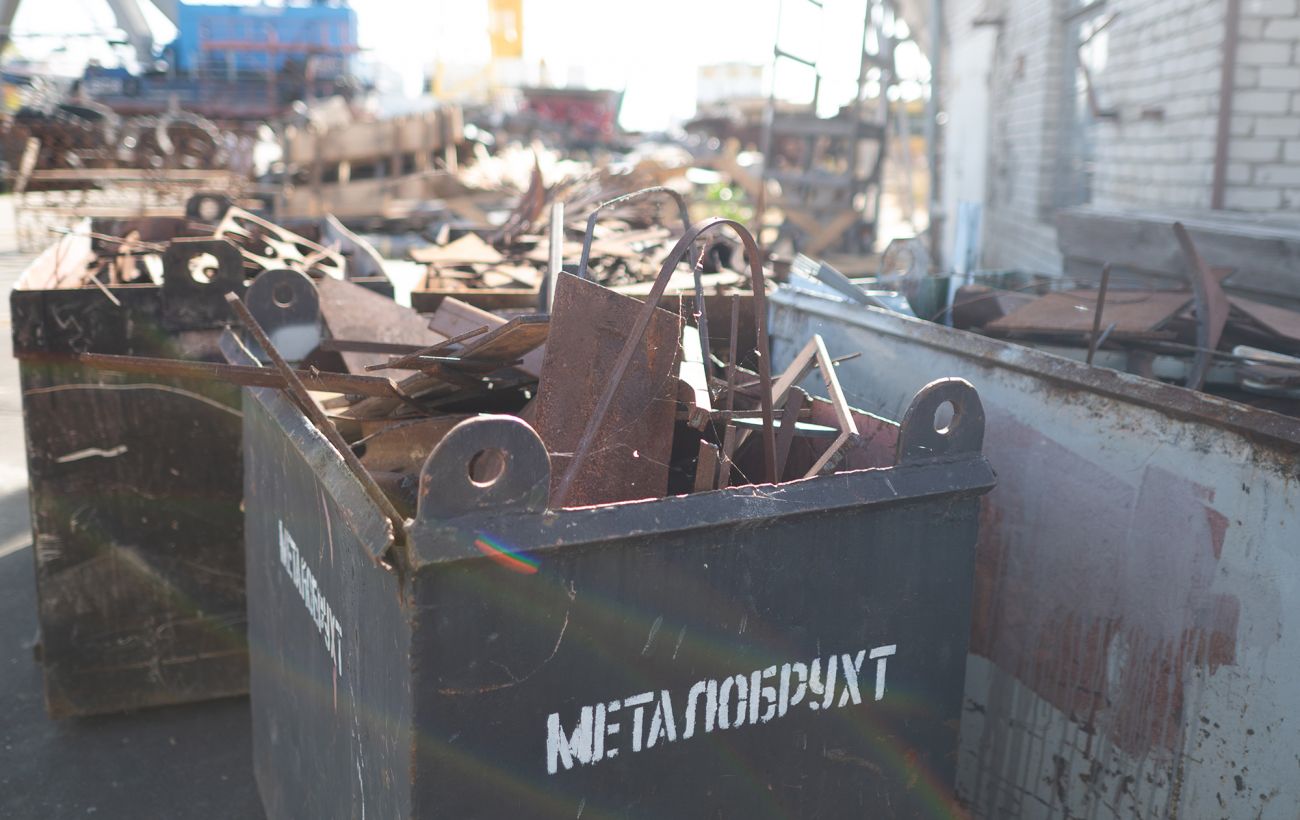
Scrap metal exports at low prices: experts warn of risks to the budget and industry
MP Musa Magomedov has criticized the Ministry of Economy's proposal for scrap metal export pricing, highlighting threats to the domestic steel industry and potential budg…