Artificial Intelligence on the Frontline: How Ukrainian Ground Robots Are Moving Toward Autonomy
The Ukrainian defense industry is actively integrating artificial intelligence into ground robotic systems to reduce operator dependency and enhance combat efficiency.
 🛡️Security
Photo: RBC-Ukraine
Key points
- Transition of UGV systems from manual control to automation
- Implementation of autopilot and Backtrack return features
- Use of artificial intelligence for threat detection
- Creation of synthetic datasets to train neural networks
The modern unmanned technology industry is rapidly evolving from manual control to full automation of missions. One of the main challenges for ground robotic systems remains their critical dependence on stable communications and constant operator oversight. If the signal is lost while navigating complex routes, the machine risks being permanently stranded or destroyed.
Innovations to Enhance Equipment Survival
To address this issue, Ukrainian developers are implementing several key technological solutions. These include autopilot systems that allow platforms to independently navigate specific route segments and bypass obstacles. Additionally, the Backtrack feature ensures the automatic return of the vehicle along its previously traveled path if connection is lost.
A crucial direction involves using artificial intelligence to identify threats, particularly enemy FPV drones. This significantly reduces operator workload, improves equipment resilience against electronic warfare, and allows a single operator to manage multiple platforms simultaneously. Meanwhile, developers face challenges due to harsh operating environments: mud, dust, and interference require algorithms to make precise decisions.
Achieving full autonomy requires significant time, funding, and engineering resources, so the transition is happening gradually. Long-term goals include creating a unified ecosystem where ground and aerial drones interact. To train AI models, companies combine real combat footage with tens of thousands of generated synthetic data points, significantly increasing system reliability.
Source RBC-Ukraine — rbc.ua/ukr/news/nrk-aktivno-vikoristovuyut-shi-shcho-mozhut-1795429… ↗
Read next
 🧠AI Analysis
New Reality of Maritime Logistics: Why Incidents in Libya and the Baltic Threaten Russia's Global Presence
A series of recent emergencies involving Russian vessels in Libya and the Gulf of Finland demonstrates the vulnerability of Moscow's military sea routes far beyond active…
 💼Economy
How Pervomaisk Residents Can Optimize Daily Expenses: Modern Banking Opportunities
Raiffeisen Bank offers Pervomaisk residents new tools to save on daily expenses through the Raifcard and partner programs with ATB and OKKO.
 🇺🇦Ukraine
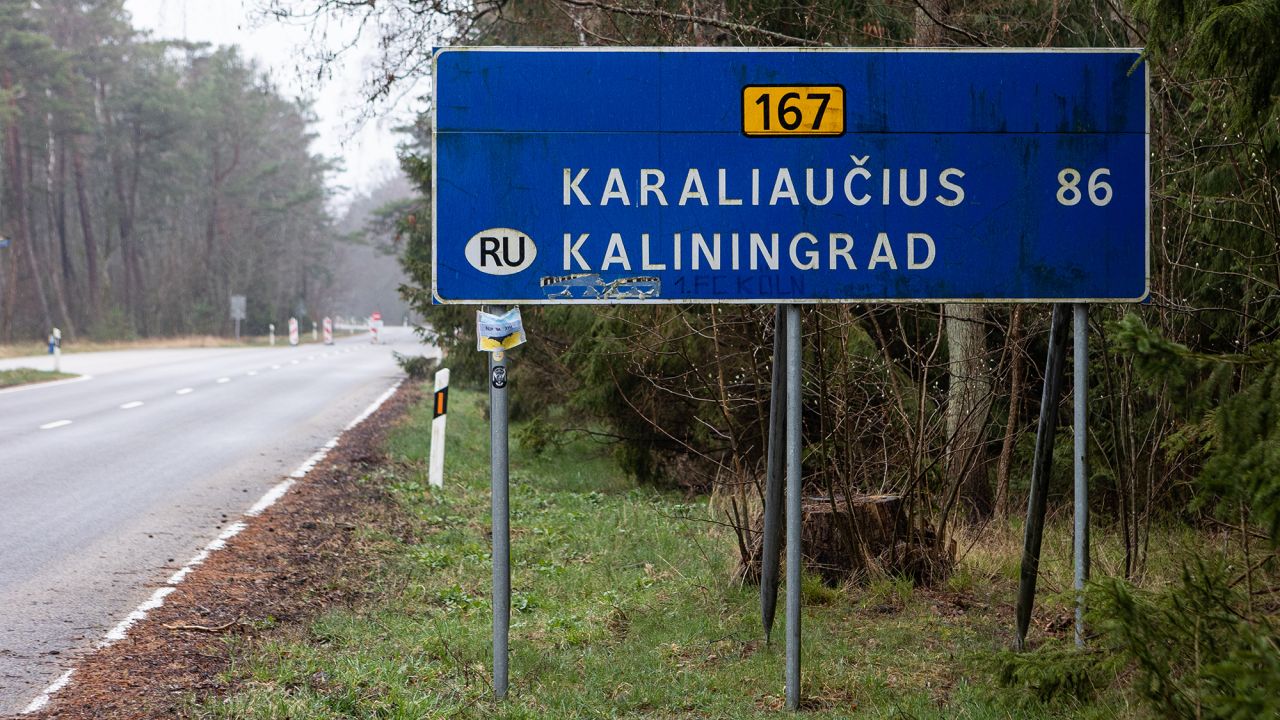
Russian Government Allocates Nearly 47 Billion Rubles for Kaliningrad Ferry Link Amid Blockade Fears
The Russian government plans to build two new railway ferries worth nearly 47 billion rubles to secure cargo supply to the Kaliningrad exclave.
 🧠AI Analysis
Kremlin's Nuclear Rhetoric: Medvedev Outlines New Conditions for Preemptive Strike
Deputy Chairman of the Russian Security Council stated the possibility of using nuclear weapons in response to massive non-nuclear attacks or nuclear supplies to Ukraine.
 🚨Events
Tragedy on the water: 78-year-old fisherman dies on Southern Bug River
An elderly man died while fishing on the Southern Bug River in Mykolaiv. His body was recovered by emergency services after a search operation.
 🧠AI Analysis
Scale of Russian Air Attacks: Thousands of Drones and Ballistic Missiles Recorded in October
Throughout October, Russian forces significantly increased the intensity of air strikes across Ukraine, deploying thousands of UAVs and hundreds of missiles.