How to Properly Fertilize Indoor Begonias for Lush Blooms
Experts shared practical tips on caring for indoor begonias and applying fertilizers to stimulate rich and healthy flower buds.
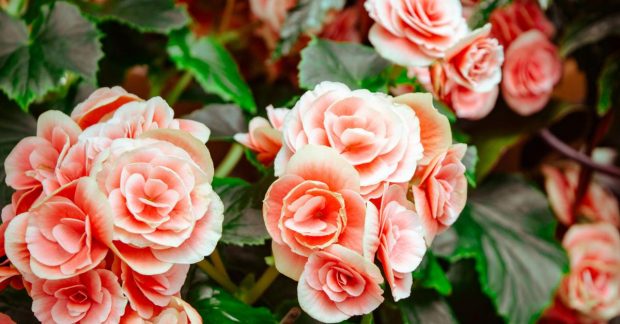 👥Society
Photo: UNIAN
Key points
- Indoor begonias need regular feeding because nutrients in pots deplete rapidly.
- Nitrogen is used during early growth, while phosphorus and potassium are essential during flowering.
- Fertilizers should always be applied to damp soil, typically every 10 to 14 days.
Caring for indoor plants requires attention to detail, especially with decorative species like begonias. Due to the limited soil volume in pots, nutrients wash out quickly, which can starve the plant and prevent proper flowering. To help begonias reach their full potential, regular feeding is essential, with the nutrient formula adjusting according to the plant's growth stage.
Choosing the Right Fertilizers for Each Growth Stage
There is no single universal fertilizer for begonias. When the plant begins to recover after winter dormancy, a balanced NPK fertilizer with equal parts of nitrogen, phosphorus, and potassium is recommended to support balanced leaf and root growth.
Once flowering begins, nitrogen should be reduced since it promotes leaf growth instead of buds. At this stage, phosphorus and potassium take priority. Phosphorus provides energy for developing flower buds, while potassium enhances overall plant endurance. Superphosphate or potassium monophosphate are great options during this period.
Application Rules and Frequency
Liquid fertilizers are generally better for potted indoor plants because roots absorb them almost immediately. Before applying any nutrient solution, the soil must be watered with plain water to prevent root burn. The standard feeding frequency is once every 10 to 14 days until flowering ends.
For extra lush blooms, some growers feed their begonias weekly, provided the solution is diluted four times more than the manufacturer recommends to avoid over-fertilizing. Organic alternatives such as bone meal, wood ash, or seaweed extract can also be used. Once the flowers drop and the plant enters dormancy, all fertilization should stop until the next blooming cycle.
Source UNIAN — unian.ua/lite/advice/chem-podkormit-begoniyu-dlya-cveteniya-polezno… ↗
Read next
 🛡️Security
Power supply restored in Sarny district following enemy attack
Specialists have fully restored electricity to settlements in the Rivne region that were affected by the Russian strike on November 20.
 🎭Culture & Sport
Autumn Rose Care: Tips for Gardeners in Pervomaisk
Experts explain why it is essential to avoid radical pruning of roses until stable frost sets in.
 🇺🇦Ukraine
Estonia's Reaction to Gulf of Finland Incident: Right to Self-Defense
Estonian government and foreign ministry leaders commented on the strike against a Russian vessel, affirming Ukraine's legal right to defend itself against aggression.
 🛡️Security
Rescue operation in Dymer: 89-year-old woman pulled from rubble
Search and rescue operations are ongoing in the Kyiv region following a drone strike on a residential building. The death toll has risen to nine.
 🛡️Security
Russian corvette 'Merkury' hit in Libya: suspected Ukrainian drone attack
A Russian naval vessel caught fire in the port of Benghazi following an explosion, with reports suggesting a potential strike by Ukrainian maritime drones.
 🛡️Security
Russia uses NATO airspace violations to test Alliance defense algorithms
Military expert Dmytro Kashchenko stated that Russia is systematically testing NATO's readiness by violating the airspace of Ukraine's neighboring countries.