Slovak Foreign Minister's Remarks on 1968 Prague Spring Spark Historical Debate
Slovak Foreign Minister Juraj Blanár claimed that Ukrainians were behind the 1968 Soviet invasion of Czechoslovakia, drawing sharp criticism and historical refutations.
 👥Society
Photo: UNIAN
Key points
- Slovak Foreign Minister Blanár blames Ukrainians for the 1968 invasion
- Opposition politicians criticize the narrative and point to Moscow
- Historians debunk myths regarding ethnic Soviet military units
Controversial Claims Regarding the 1968 Events
Slovak Foreign Minister Juraj Blanár, representing Robert Fico’s party, made a controversial statement during a political talk show on Slovak television. According to his remarks, Ukrainians were allegedly behind the Soviet invasion and the suppression of the Prague Spring in 1968. The official claimed that the first Soviet regiment to arrive in Slovakia was Ukrainian and noted that the Soviet leader at the time, Leonid Brezhnev, was born in Ukraine.
This interpretation was promptly challenged by political opponents during the broadcast. Opposition leader Michal Šimečka expressed strong indignation over the narrative, reminding viewers that the Soviet Union was a prison of nations and that the Politburo, which made the ultimate decision to deploy troops to Czechoslovakia, operated entirely out of Moscow.
Historical Context and Facts
Historians and analysts point out that claims about an alleged "Ukrainian" military operation lack factual basis. While Leonid Brezhnev was indeed born in Kamianske, Ukraine, he was ethnically Russian and later explicitly defined himself as Russian in his memoirs. Furthermore, the Soviet armed forces strictly avoided mono-ethnic units, drafting soldiers from all across the USSR regardless of where a unit was geographically stationed.
Although military forces from the Carpathian Military District crossed the border into Czechoslovakia in 1968, those troops were neither ethnically Ukrainian nor under autonomous Ukrainian command. Such historical arguments emerging in European political discourse highlight the ongoing challenges surrounding the interpretation of twentieth-century history.
Source UNIAN — unian.ua/world/za-pridushennyam-prazkoji-vesni-v-1968-roci-stoyali-… ↗
Read next
 🏙️City
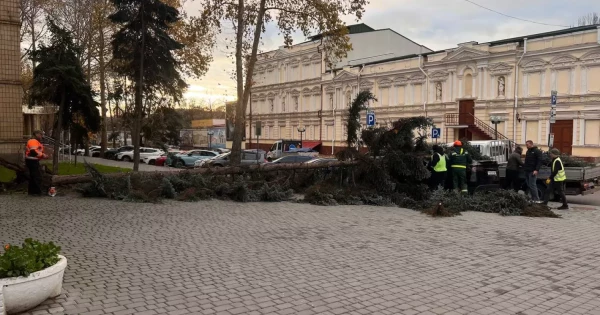
Weather warning: Heavy rains, wet snow and strong winds approaching Mykolaiv region
Residents of Pervomaisk and Mykolaiv region are warned about severe weather conditions, heavy precipitation, and gales up to 20 m/s on November 23.
 ⚽Sport
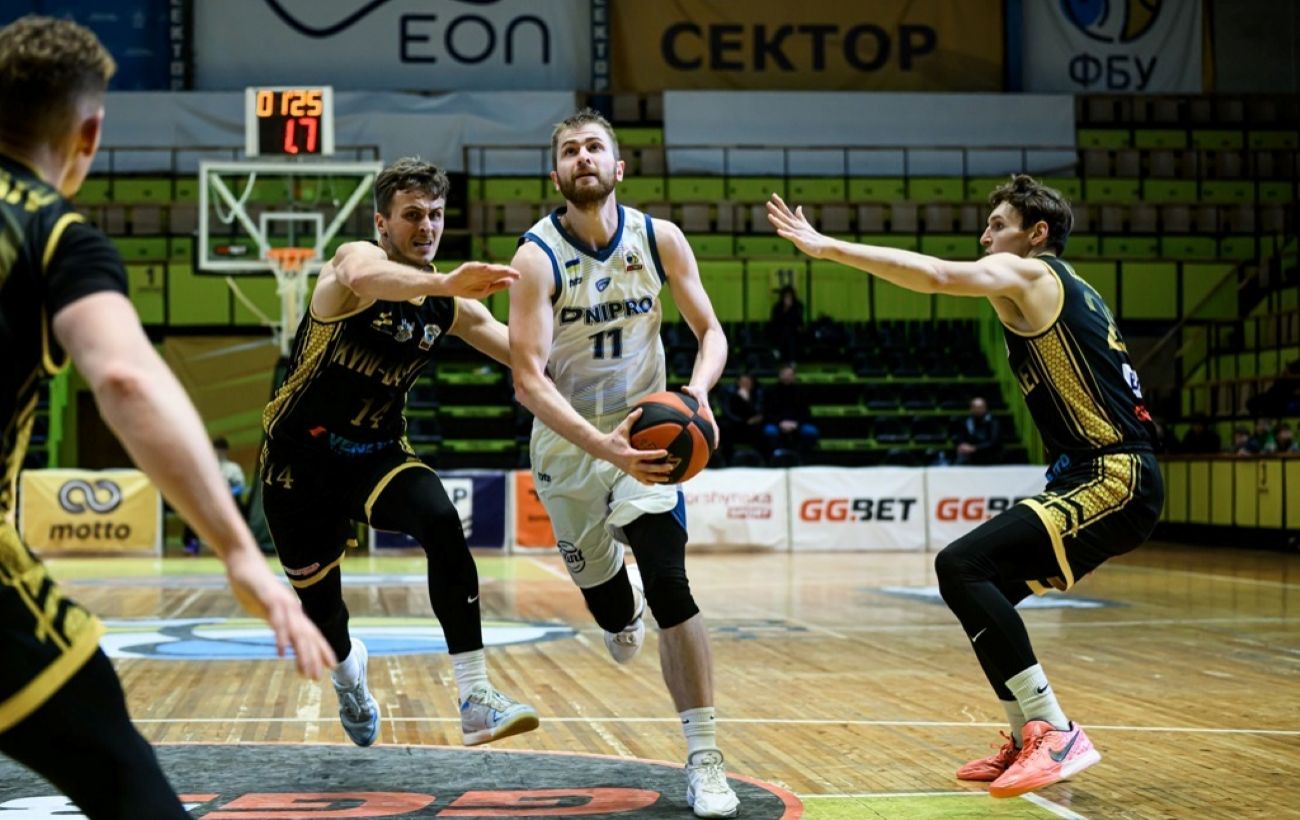
Basketball Superleague: Dramatic Comebacks, Overtimes, and Regional Team Success
The final matches of the Ukrainian Basketball Superleague regular season round took place, highlighted by dramatic games featuring regional teams, notably Nikolayev's com…
 🚌Transport
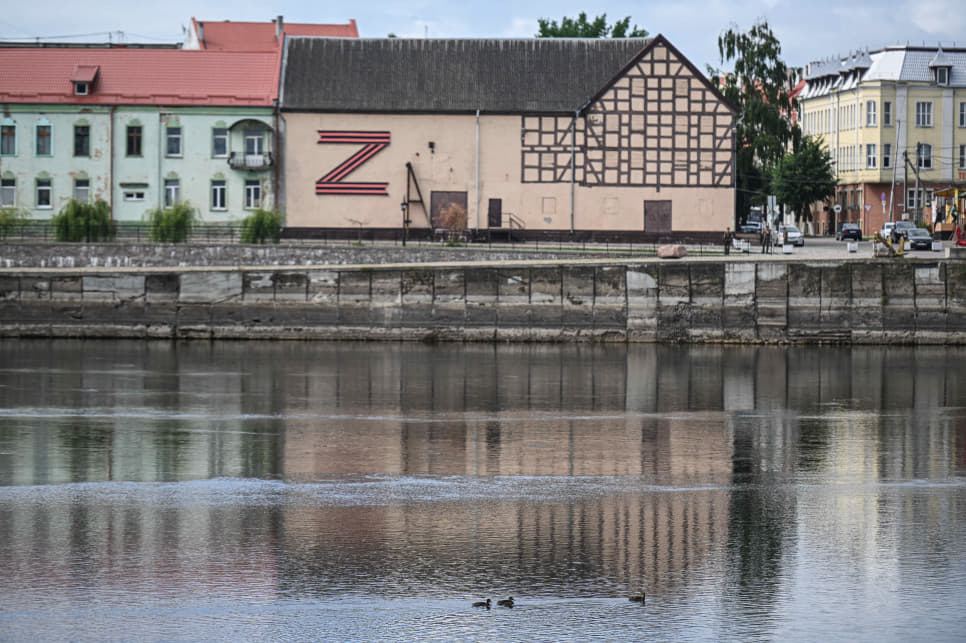
Poland and Lithuania Report Russian Disinformation Amid Fakes Over 'Attack on Kaliningrad'
Warsaw and Vilnius have recorded a massive disinformation campaign by the Kremlin spreading false rumors about alleged Ukrainian, Polish, and NATO attacks on the Kalining…
 🚌Transport
Massive Blackouts in Major Ukrainian Cities: Transport Stoppages and Infrastructure Challenges
Russian attacks on energy facilities left parts of Dnipro and Odesa without power, halting municipal electric transport and causing severe disruptions.
 💼Economy
Poultry Efficiency: Factors Affecting Egg Production
Experts analyze the impact of genetics, diet, and living conditions on the productivity of domestic poultry.
 🛡️Security
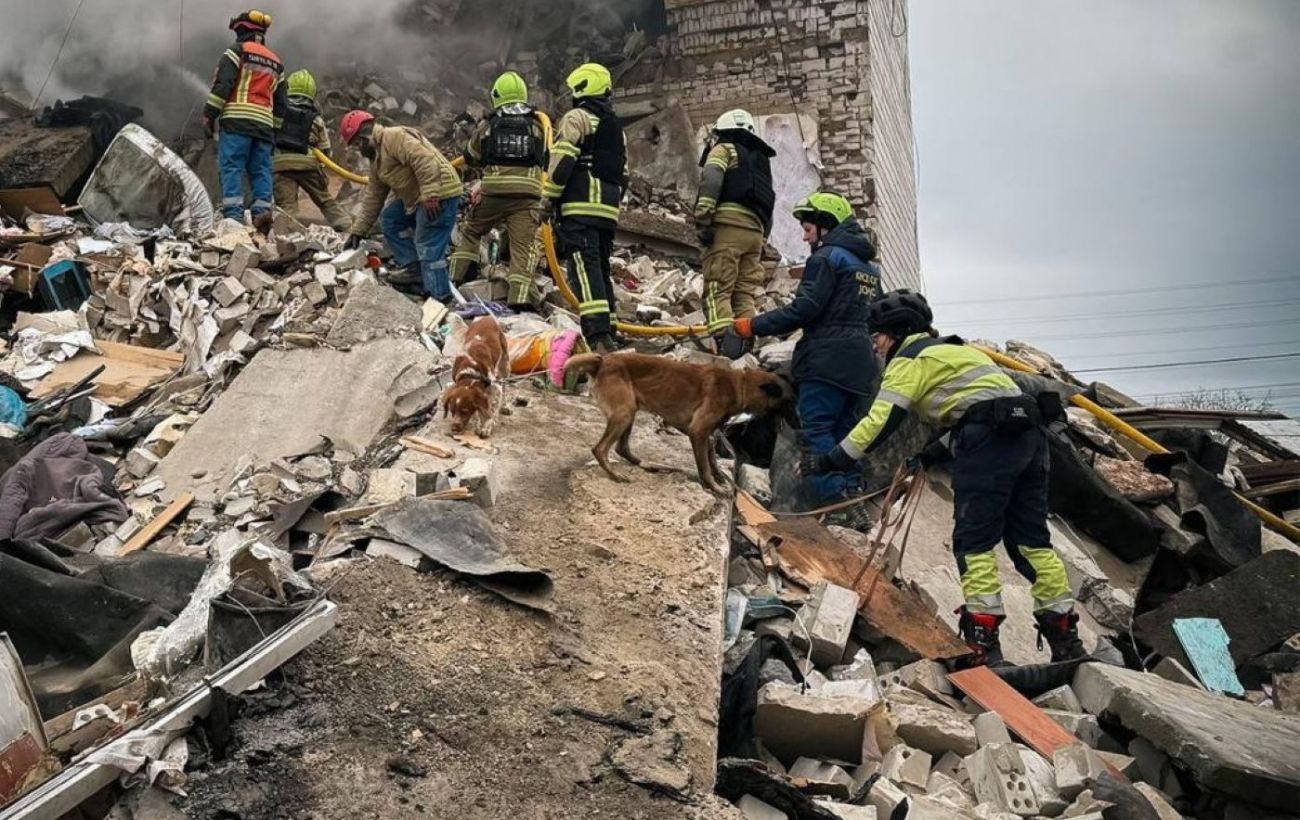
Death toll rises in Dymer, Kyiv region, following enemy attack: rescuers recover third body
The number of fatalities in the village of Dymer, Vyshhorod district, has risen to three following a drone attack. Search and rescue operations at the destroyed residenti…