Giant seaweed belt in the Atlantic: why scientists are concerned
A massive belt of sargassum seaweed is rapidly expanding in the Atlantic Ocean, reaching a record length of 8,850 kilometers.
 🎭Culture & Sport
Photo: UNIAN
Key points
- Sargassum seaweed expansion to 8,850 km
- Excess nitrogen and phosphorus as the main driver
- Threat to ecosystems and infrastructure
- Call for international monitoring
An ecological anomaly of global scale
An unprecedented expansion of pelagic sargassum has been recorded in the Atlantic Ocean. According to recent data, this seaweed belt, known as GASB, has stretched to 8,850 kilometers, significantly exceeding the width of the continental United States. While these algae were once considered a local feature of the Sargasso Sea, they have now become a global environmental challenge.
Causes and consequences of the expansion
Scientists attribute this rapid growth to the excessive enrichment of ocean waters with nitrogen and phosphorus. These nutrients enter the ocean through both natural processes and human activity, such as agricultural runoff and wastewater discharge. The Amazon River plays a significant role, as its floods stimulate the reproduction of biomass.
- Excessive seaweed leads to the formation of "dead zones" in the water.
- Decomposition processes on the shore release toxic hydrogen sulfide and greenhouse gases.
- Large accumulations of seaweed can block infrastructure facilities, including power plants.
Although sargassum provides an important habitat for many marine species, its excessive concentration poses a threat to ecosystems and the economies of coastal regions. Experts emphasize the need for international monitoring and improved methods for controlling nutrient runoff into the World Ocean.
Source UNIAN — unian.ua/ecology/sargasovi-vodorosti-v-atlantici-chomu-gigantskiy-p… ↗
Read next
 🏙️City
Sauerkraut for immunity: health tips for Pervomaisk residents
Nutritionists highlight the benefits of sauerkraut for the immunity of elderly people, explaining its impact on gut health and overall well-being.
 🏙️City
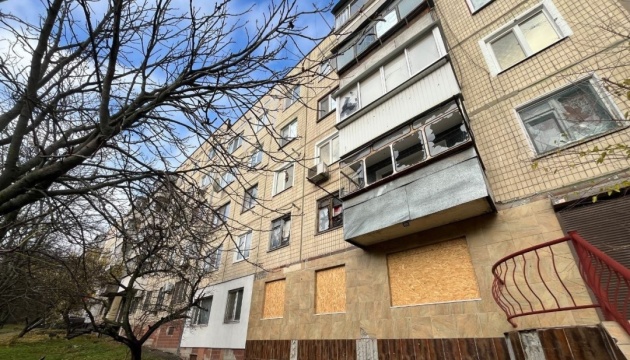
Massive attacks on Dnipropetrovsk region: consequences of the shelling
Over the past 24 hours, the enemy launched more than 40 attacks on the Dnipropetrovsk region, resulting in one death and several injuries.
 🏙️City
Fresh Russian Energy Strikes: Emergency Power Outages Imposed Across Five Regions
Another Russian attack on energy infrastructure in the Dnipropetrovsk region has damaged equipment and triggered emergency power outages across five Ukrainian regions.
 🎓Education
The Philosophy of Restoration: Why Repair is the Main Challenge for Ukrainian Society
An analysis of the "broken-world thinking" concept as a foundation for national recovery and rethinking labor during wartime.
 ⚽Sport
Generator Controversy: Vladyslav Heraskevych Accuses IOC of False Statements
Ukrainian skeleton athlete Vladyslav Heraskevych has publicly refuted the International Olympic Committee's claims that he allegedly refused charitable assistance in the …
 🛡️Security
Live child rescued from rubble in Dymer following enemy strike
During search-and-rescue operations in the town of Dymer, Kyiv region, rescuers pulled a child alive from the ruins of a destroyed five-story residential building. Search…